
Thinking About
Relocating to Sarasota?
Here's your complete guide to making the move — from cost of living and neighborhoods to schools, healthcare, and the paperwork you'll need. Written by someone who made this exact move. Sarasota County's population has grown to an estimated 476,604 residents (U.S. Census Bureau, 2025), and it continues to attract relocating buyers from across the country.

"I know exactly what you're going through — because I made this move myself. I relocated from Michigan to the Palmer Ranch area, and it was the best decision I ever made. But I also remember how overwhelming it felt: the research, the logistics, the unknowns. That's exactly why I wrote this guide. Everything I wish I'd known when I was in your shoes, I've packed it in here."
Your relocation roadmap.
What Does It Cost to Live
in Sarasota?
Sarasota's overall cost of living runs about 4–5% above the national average, with housing being the primary driver. But when you factor in no state income tax, lower utility costs in some areas, and the lifestyle you get in return, most relocation buyers find the value equation works in their favor — especially compared to the Northeast, Midwest, or West Coast metros many are coming from.
"Florida's housing market is showing signs of rebalancing. The statewide median price for existing homes has stabilized, giving buyers more negotiating power than they've had in years."
— National Association of Realtors, November 2025 Market Report
Sarasota County median for single-family homes as of late 2025. Range varies widely — from $300K condos to $5M+ waterfront estates.
Varies by location and unit size. City-center one-bedrooms typically run higher; suburban areas and north county offer more value.
Groceries run about 7% higher than the national average. Local farmers markets and Publix BOGO deals help offset this.
Average residential electric bills range $156–$267/month depending on usage and time of year. AC is the biggest driver in summer.
Housing costs run 14–16% above the national average — but remember, you're also getting beach access, no state income tax, and year-round sunshine.
Zero state income tax on earned income, retirement income, capital gains, and dividends. This alone can save relocating buyers thousands per year.
What nobody tells you about HOA and CDD fees.
This is the #1 cost surprise for relocation buyers — and Julie wants you to know what she wishes she had known.
Here's something that catches almost every out-of-state buyer off guard: many homes and condos in the Sarasota area look incredibly affordable on Zillow — until you scroll down and see the HOA and CDD fees layered on top. In some communities, these fees alone can rival or even exceed the cost of your mortgage payment.
When I first moved to Florida from Michigan, I was stunned. A home listed at $350K with a seemingly manageable mortgage suddenly had $600–$1,500 per month in HOA fees — and that's on top of your property taxes, homeowner's insurance, and mortgage. I learned the hard way that the sticker price is only part of the story.
HOA fees vary wildly. Some single-family home communities charge a modest $200–$300 per month for basic landscaping and common area maintenance. But condominiums — especially those with pools, fitness centers, clubhouses, and waterfront amenities — can run $800 to $1,500+ per month. That's $9,600 to $18,000 per year, before you've paid a dime on your mortgage.
Then there's the CDD — Community Development District — a fee structure that's common in newer master-planned communities throughout Sarasota County. You'll find CDD fees in neighborhoods like Talon Preserve, The Oaks, Welland Park, Artistry, and many Palmer Ranch communities. These fees typically range from $1,000 to $3,000+ per year and are assessed on top of your property taxes. They fund the infrastructure — roads, utilities, amenities — that the developer built when creating the community.
The real monthly math
"Always ask for the total monthly housing cost — not just the mortgage. PITI plus HOA plus CDD. That's your real number. And when you're comparing communities, make sure you're comparing apples to apples."
Why this matters for you
A home that looks like it fits your budget on paper can suddenly become unaffordable once you factor in $800/month HOA fees and a $2,400/year CDD assessment. This is one of the biggest reasons to work with a local agent who knows the true cost of living in each community.
The hidden insurance factor
Florida homeowner's insurance has also risen sharply in recent years — sometimes adding another $300–$600+ per month depending on location and construction type. Combined with HOA and CDD fees, the full picture can look very different from the listing price.
How Julie helps
Julie runs the full numbers before you fall in love with a property. She'll break down every community's total monthly cost — mortgage, taxes, insurance, HOA, and CDD — so you know exactly what you're committing to. No surprises after closing.
"When I first moved to Sarasota, I found homes on Zillow that looked like incredible deals. Then I discovered the HOA and CDD fees were eating up more than the mortgage. I don't want that to happen to you."
This is exactly why you need a local professional in your corner.
Zillow, Redfin, and other online portals do NOT show you the true cost of homeownership. They display the mortgage estimate but leave out HOA fees, CDD fees, special assessments, and inflated insurance costs that can make a "cheap" home actually cost double what you expected.
I know the true cost of every community because I live here, I've bought three homes here, and I do this every single day. Don't rely on an algorithm — rely on someone who actually knows Sarasota inside and out. That's what I'm here for.
Which Sarasota Neighborhood
Fits Your Lifestyle?
One of the things that makes Sarasota so special is the diversity of communities. Whether you're seeking top-rated schools, golf and cultural amenities, waterfront access, or a vibrant downtown, there's a neighborhood that fits. Here's where to start looking based on what matters most to you.
School-Focused Areas
These master-planned communities are popular with families and feature pools, playgrounds, preserve trails, and well-maintained infrastructure throughout. Several notable schools serve these areas — verify your assigned schools through Sarasota County Schools based on the specific address.
Explore all neighborhoodsGolf & Low-Maintenance Living
Golf cart–friendly communities, low-maintenance villa options, world-class beaches without the crowds, and a rich social calendar through clubs, volunteer organizations, and cultural events.
Explore all neighborhoodsWalkable Urban & Dining Scene
Walkable dining and nightlife, co-working spaces, close proximity to the arts scene, farmers markets, and a growing job market. The UTC corridor offers modern apartments and easy access to everything.
Explore all neighborhoodsWaterfront & Island Living
Direct beach access, private boat docks, stunning sunset views, and the kind of daily lifestyle most people only experience on vacation. Barrier island living at its finest.
Explore all neighborhoods
What Are the Best Schools
in Sarasota?
The Sarasota area is home to a number of well-regarded public and private schools. Notable public schools include Pine View School (a K–12 gifted magnet program), Venice High School, Riverview High School, Suncoast Polytechnical High School, and elementary schools such as Ashton Elementary, Southside Elementary, and Phillippi Shores Elementary.
Private and charter school options in the area include Out-of-Door Academy, Sarasota Christian School, and several Montessori programs. For higher education, New College of Florida, Ringling College of Art and Design, and the University of South Florida Sarasota-Manatee campus are all located locally.
Important: School assignments in Sarasota County are based on your home address. The specific school your child attends will depend on the attendance zone for your property. Be sure to verify your assigned schools through the official Sarasota County Schools website before making any decisions — you can look up any address to see which schools serve it.
Manatee County (Bradenton area) also offers a range of public and private school options. If you're considering Lakewood Ranch, note that it straddles both counties, giving families access to schools in either district — verify your specific zone before deciding.
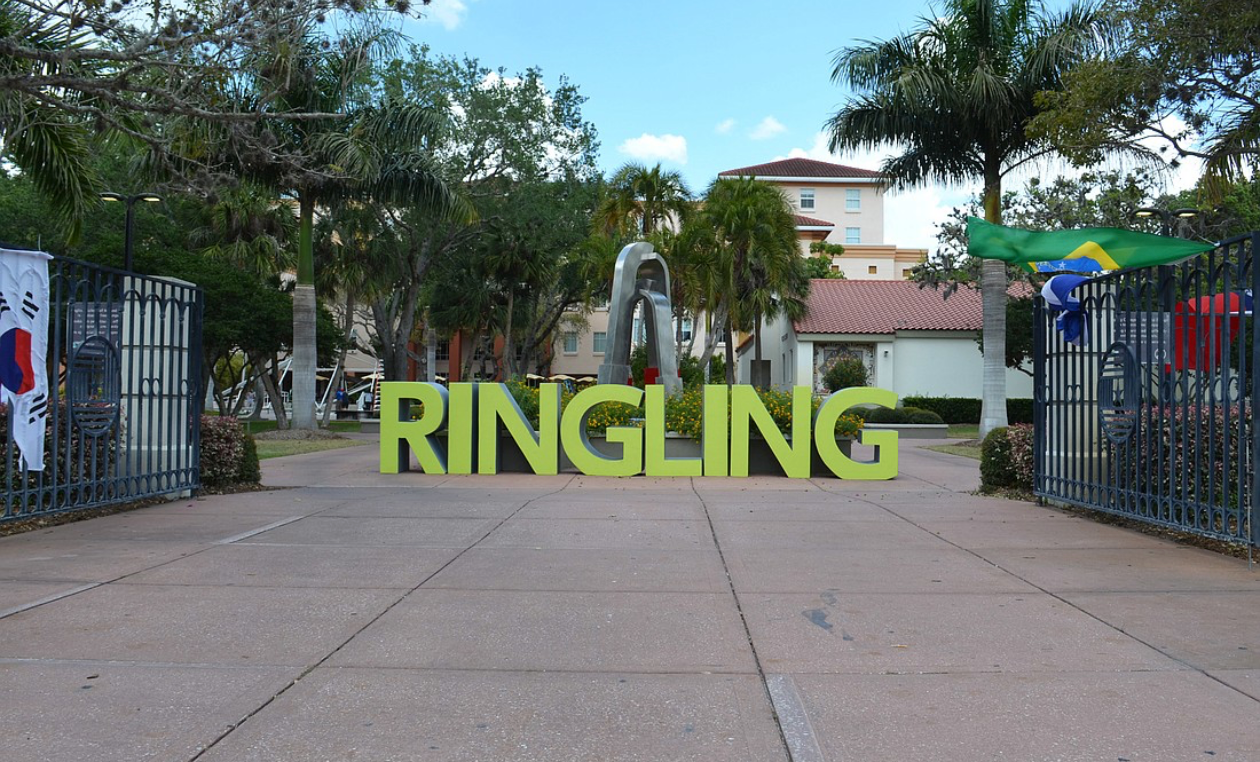
Here's a fun fact — Sarasota is home to Ringling College of Art and Design, one of the top art and design colleges in the country. The vibrant art districts you'll find throughout downtown Sarasota? Much of that creative energy and many of those public works come from Ringling students and alumni. For families with creative teens, Ringling also offers pre-college summer programs and workshops.
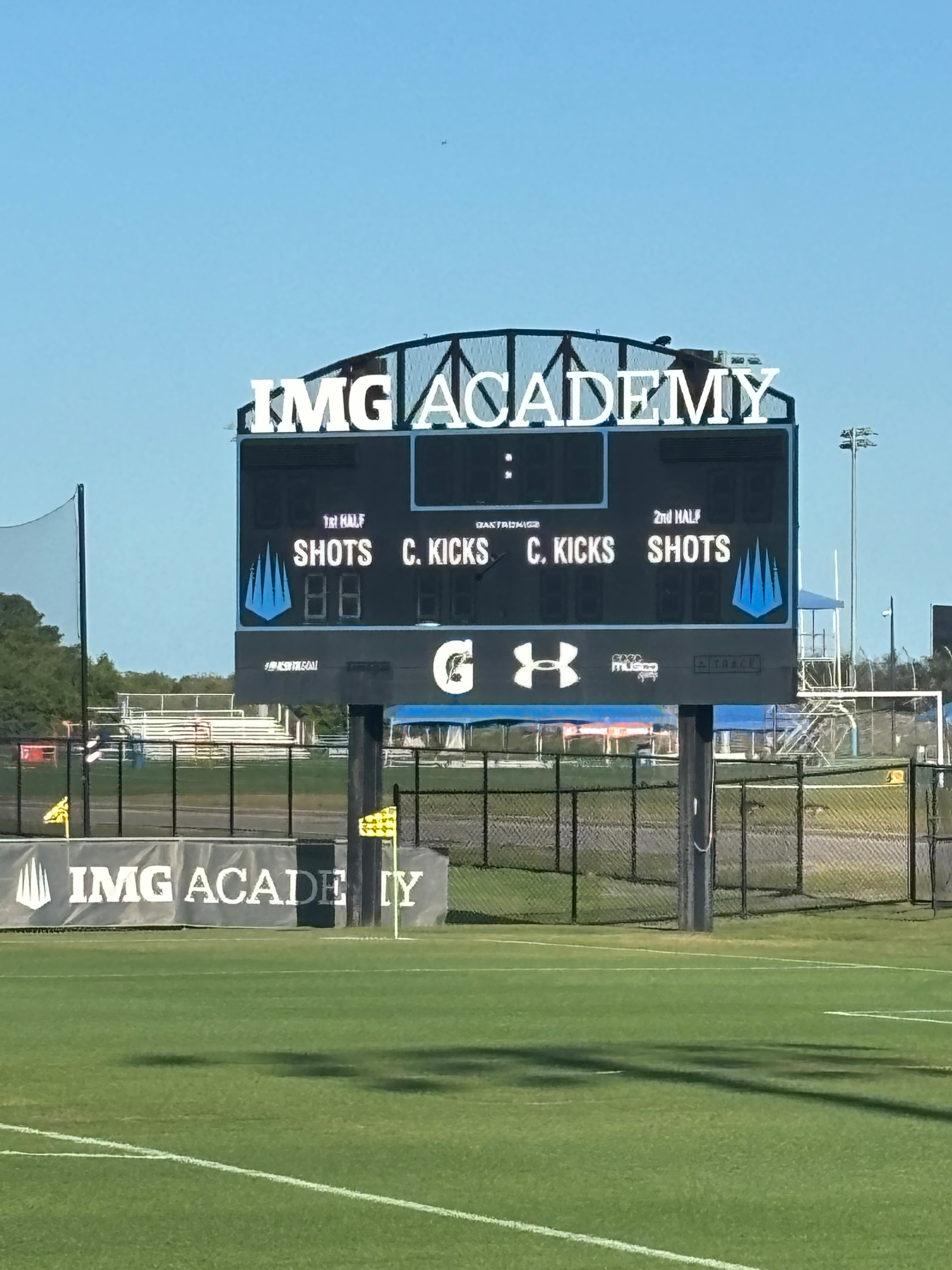
Right next door in Bradenton, you'll find IMG Academy, the world-renowned sports training campus where elite young athletes come from around the globe to train and get their education. It's where Maria Sharapova honed her tennis game, and where NFL stars like Jameis Winston and Lamar Jackson developed their skills before going pro. It's definitely a premium investment, but it's pretty incredible to have that kind of world-class athletic facility in your backyard.
Notable Schools
- Pine View School (K–12 Gifted)
- Venice High School
- Riverview High School
- Suncoast Polytechnical High
- Ashton Elementary
- Phillippi Shores Elementary
- Southside Elementary
- Out-of-Door Academy
- Sarasota Christian School
- Ringling College of Art & Design
- IMG Academy (Bradenton)
- New College of Florida
School assignments are based on your address. Verify your zone before making decisions.
Look Up Your Schools
What Healthcare Options
Are Available in Sarasota?
Sarasota is well-served by major hospital systems and specialist networks. Whether you need routine care, specialized treatment, or emergency services, you have strong options close to home — no long drives required.
Sarasota Memorial Hospital
The county's flagship regional medical center at 1700 S. Tamiami Trail. A full-service, 900+ bed hospital consistently ranked among Florida's best. Also operates a Venice campus.
HCA Florida Sarasota Doctors Hospital
Located at 5731 Bee Ridge Rd, this full-service hospital offers surgical, cardiac, orthopedic, and emergency services. Multiple freestanding ERs throughout the area.
Sarasota Memorial Hospital – Venice
Extending SMH's quality care to south county. A modern facility serving the Venice, Nokomis, and south Sarasota communities with emergency and inpatient services.
Lakewood Ranch Medical Center
Serving the fast-growing east county and Lakewood Ranch area. Full-service hospital with ER, surgical, and diagnostic services close to home.
How Do You Get Around
in Sarasota?
Sarasota is a car-friendly city — most residents drive, and the area is designed with that in mind. That said, there are a few key things to know about airports, roads, and transit options.
Sarasota-Bradenton International Airport (SRQ)
Your local airport — conveniently located near downtown and the beaches. Offers direct flights to major hubs including Atlanta, Charlotte, Chicago, New York, and seasonal routes. Tampa International (TPA) is about 60 minutes north for additional options.
Major Roads
I-75 runs north-south for regional travel. U.S. 41 (Tamiami Trail) is the historic coastal artery connecting Sarasota to Venice and beyond. University Parkway and Fruitville Road are key east-west corridors.
Public Transit
Breeze Transit operates fixed-route buses throughout Sarasota County ($1.50/ride). The Siesta Islander trolley serves Siesta Key during peak season. Average commute: 21–24 minutes.
What's the Weather Really
Like Year-Round in Sarasota?
Sarasota enjoys a humid subtropical climate with hot, sunny summers and mild, dry winters. The city averages 251 sunny days per year — well above the national average of 205. The average winter high is in the low-to-mid 70s°F — what locals call "season" — while summers push into the low 90s with high humidity and afternoon thunderstorms.
The seasons at a glance:
- Winter (Nov–Mar): The gem. Highs 70–78°F, low humidity, zero snow, and the reason so many people visit — and never leave. This is when Sarasota's social calendar is at its busiest.
- Spring (Apr–May): Warm and pleasant with temperatures in the low 80s. Fewer crowds than winter, lower prices, and gorgeous sunsets.
- Summer (Jun–Sep): Hot and humid with daily afternoon thunderstorms (usually brief). Gulf water temps reach the upper 80s — perfect for swimming. Indoor activities and early-morning beach walks are the locals' move.
- Fall (Oct–Nov): A transitional beauty — temperatures cool down, humidity drops, and the area starts waking up for season. Great time to buy.
Hurricane Preparedness
Hurricane season runs June 1 – November 30. Here's what new residents need to know:
- Know your evacuation zone (check Sarasota County's flood zone locator)
- Keep a 7-day emergency kit: water, food, prescriptions, batteries, flashlights
- Install hurricane shutters or have plywood ready for windows
- Trim trees and secure outdoor furniture before storm season
- Modern Florida buildings are built to strict wind-resistance codes
- Flood insurance is separate from homeowner's insurance — check FEMA maps for your property
What Employment and Remote
Work Options Exist in Sarasota?
Sarasota's economy is anchored by healthcare, education, tourism, construction, and professional services — with a rapidly growing tech and remote-work sector. Many relocation buyers discover that the Gulf Coast lifestyle pairs perfectly with remote work.
Remote Work
High-speed fiber internet is widely available throughout Sarasota County. Many residents work remotely for companies based in New York, Chicago, and beyond — enjoying a lower cost of living and zero state income tax while doing it.
Healthcare & Education
The area's two largest employers are Sarasota Memorial Health Care System and the Sarasota/Manatee county school districts. Both offer competitive salaries and benefits in a strong job market.
Growing Industries
Technology, financial services, real estate, construction, and tourism/hospitality continue to expand. The UTC corridor and Lakewood Ranch are becoming regional business hubs, attracting startups and established companies alike.
What Should You Expect
During the Moving Process?
Moving across state lines involves a lot of moving parts — literally. Here's a practical timeline to help you plan, based on what Julie has seen work best for her relocation clients over 24 years.
6+ Months Before
- Research neighborhoods and schedule virtual or in-person visits with Julie
- Get pre-approved with a Florida-based lender
- Determine your budget, timeline, and must-haves
- Begin decluttering and inventorying your current home
3–4 Months Before
- Tour homes with Julie and narrow your search
- Make an offer and begin the inspection/appraisal process
- Start researching schools if you have children
- Notify your current landlord or list your current home for sale
1–2 Months Before
- Schedule your moving company (book early for long-distance moves)
- Set up utilities at your new Florida home (FPL, county water, internet)
- Get Florida auto insurance quotes early — Midwest movers often see a welcome drop in their premiums
- Begin the process of establishing Florida domicile
Move-In Month
- Get your Florida driver's license within 30 days (DHSMV)
- Register your vehicle within 10–30 days
- File for the Homestead Exemption before January 1 of the tax year
- Update your voter registration, bank accounts, and mailing address
What Are the Florida
Tax Advantages?
This is one of the biggest financial reasons people relocate to Florida — and it's not just marketing. The numbers are real.
Zero state income tax. Florida doesn't levy a personal state income tax on earned income, retirement income, capital gains, or dividends. For a household earning $150K, that can mean $8,000–$12,000+ in annual savings compared to states like New York, New Jersey, California, or Michigan.
Homestead Exemption. If you own and occupy your home as your primary residence, you can reduce your property's assessed value by up to $50,000. File before January 1 of the tax year to qualify.
Save Our Homes Cap. Once you have a homestead exemption, your property's assessed value can only increase by the lesser of 3% per year or the Consumer Price Index — protecting you from runaway tax increases.
Quick Reference
What Do You Need to Establish
Florida Residency?
Once you've signed on your new home, here's a practical checklist for establishing your Florida residency. Many of these items have deadlines, so keep a running list.
Florida Driver's License
Get your Florida DL within 30 days of establishing residency. Visit a local DHSMV office with proof of identity (passport/birth certificate), two proofs of address, and your out-of-state license.
Vehicle Registration & Title
Register and title your vehicle within 10–30 days of establishing residency. Florida requires a VIN verification for out-of-state vehicles. Heads up for Midwest movers: Florida auto insurance rates can be significantly lower than Michigan's — get quotes before you leave your current carrier and you may save more than you expect.
Homestead Exemption
File with your county property appraiser before January 1 of the tax year. You'll need your Florida DL and vehicle registration as proof of domicile. Can be done online, by mail, or in person.
Utility Setup
Schedule activation before your move-in date. Sarasota's main electric provider is Florida Power & Light (FPL). Water is typically through the county or city. Internet: Spectrum, Frontier Fiber, or Xfinity depending on location.
Voter Registration
Update your voter registration to your new Florida address. You can register online, by mail, or when you get your DL. Florida is a swing state — your vote truly matters here.
Address Updates
Update your address with the IRS, banks, insurance providers, subscriptions, and set up USPS mail forwarding. Consider a PO Box if your neighborhood has mail theft concerns.
Frequently Asked Questions About Living in Sarasota
Do I really need a car in Sarasota?
Yes — Sarasota is a car-dependent area. While Breeze Transit operates bus routes and the Siesta Islander trolley serves Siesta Key, most residents drive. The area is spread out, and having a car gives you the freedom to explore beaches, neighborhoods, and all that the Gulf Coast has to offer. Average commute times are a manageable 21–24 minutes.
What are the Florida tax advantages?
Florida has no state income tax — on earned income, retirement income, capital gains, or dividends. Homeowners who establish a primary residence qualify for the Homestead Exemption, which reduces your assessed value by up to $50,000. The "Save Our Homes" cap also limits annual property tax increases to 3% or less. Sarasota County property tax rates typically range from 0.93% to 1.27%.
How do I prepare for hurricane season?
Here is what people from up north are surprised to hear: hurricane preparation is almost exactly like preparing for a severe snow or ice storm in Michigan — you go to the grocery store, stock up on water, food, and batteries, and make sure you have what you need to ride it out. In Michigan you would also need salt, shovels, and gas for your snowblower. The great thing about Florida is you do not have to deal with any of that on a regular basis — just the occasional hurricane. Hurricane season runs June 1 through November 30, but most years pass without a direct hit. New residents should identify their evacuation zone, keep a 7-day emergency supply kit, and know how to shut off utilities. Most modern homes are built to current Florida building codes with impact-resistant windows. Flood insurance is separate from homeowner's insurance — check FEMA flood maps for your specific property.
What's the weather really like year-round?
Sarasota has a humid subtropical climate. Summers (June–September) are hot and humid with highs in the low 90s°F, afternoon thunderstorms, and warm water temps. Winters (November–March) are mild and dry with highs in the low-to-mid 70s°F — this is what locals call "season," when the area comes alive with visitors and events. Spring and fall are gorgeous, with comfortable temperatures and lower humidity.
What schools are in the Sarasota area?
The Sarasota area is home to several well-regarded schools, including Pine View School (a K–12 gifted magnet program), Venice High School, Riverview High School, Suncoast Polytechnical High School, and elementary schools such as Ashton, Southside, and Phillippi Shores. Private options include Out-of-Door Academy and Sarasota Christian School. School assignments are based on your home address, so be sure to verify your specific assigned schools through the Sarasota County Schools website (sarasotacountyschools.net) before making any decisions.
Two ways to move forward.
Whether you want to understand your current home's value or map out the full relocation picture, Julie is ready to help — complimentary and with no obligation.
Request a Home Equity Report
Curious what your current home is worth before you decide to sell and relocate? Julie will prepare a complimentary equity report tailored to your property, including recent comparable sales, market trends in your area, and a clear picture of your home's current market value — so you can make confident, informed decisions about your move.
Book a Strategy Consultation
Not sure where to start? Julie offers free one-on-one strategy sessions to help you plan every aspect of your relocation — whether you're buying, selling, or both. She'll walk through your timeline, budget, neighborhood preferences, and any questions you have, so you leave with a clear plan of action.
Prefer to reach out directly? Call Julie or email PapagniGroup@gmail.com
Let's talk.
Whether you're months away or just starting to explore, I'd love to help you navigate your move to Sarasota with confidence. No pressure — just honest guidance from someone who's done it herself.
Send a Note
Tell me about your move — timeline, budget, questions. I'll get back to you promptly.